
Cloaked in a network of terraced vineyards that stretch out from both banks of the river which gave the region its name, it is not hyperbole to call the Douro valley jaw-dropping in beauty and tranquil in mood.
A notable feature of this breathtaking region are the whitewashed buildings emblazoned with the name of the estate (quinta) which owns the surrounding land. Many of these belong to major Port houses and have become avidly followed brands in their own right – think Quinta dos Malvedos (Graham’s), Quinta de Vargellas (Taylor’s), Quinta do Bomfim (Dow’s), Quinta da Cavadinha (Warre’s) and Quinta da Roêda (Croft).
In the great years which are declared as a vintage, the grapes from these vineyards will go into the blend for the top wine: the classic vintage Port of the house.
However, huge improvements in winemaking from the 1980s onwards means the production of a good vintage Port is much less of a hit-and-miss affair, so, even in undeclared years, wines of potential vintage quality can be made and are bottled by the major shippers as ‘single quinta’ Ports.
However, the category is not merely the domain of Port’s heavyweights. There are a plethora of dynamic, independent single quintas whose vintage wine is released most, if not every, year whether or not a general declaration is made. These estates run the gamut in terms of size, ranging from properties which appear to be little more than small-scale start-ups to sprawling estates such as the 326ha Quinta do Vesuvio.
Other quintas to look out for include Vale Meão, de la Rosa, Passadouro, Roriz and Noval, which is owned by AXA Millésimes, proprietors of Château Pichon Baron in Pauillac.
As for vinification, single quinta is made in a manner which echoes that of vintage Port: matured in barrel for two to three years, before being bottled unfined and unfiltered (a decanter is still needed). The only other distinctions are that the wines are less expensive and can be ready to drink earlier – after 10, rather than 20 years, say.
As well as demanding less of both your patience and wallet, a further boon for the wine lover who likes to go granular is that, when following a quinta year after year, you are given an evolving snapshot of prime Douro terroir.
Single quinta vintage Ports: In the glass
Related articles
- What is Porto Garrafeira? Ask Decanter
- What is white Port? – ask Decanter
- Fino vs Manzanilla sherry: What’s the difference?
Symington Family Estates, Quinta do Vesuvio Vintage Port
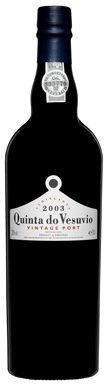

A hot year throughout Europe produced some exceptional vintage Ports. Still retaining its deep, youthful colour, Touriga Franca is to the fore here with open,...
2003
Symington Family Estates

Quinta de la Rosa, Port, Douro Valley 2019
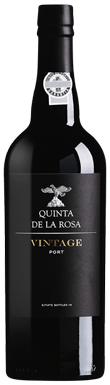
Deep, bright crimson hues; not very effusive on the nose with ripe, beefy undertones, needs time to open; similarly dense on the palate, backed by...
2019
Quinta de la RosaPort